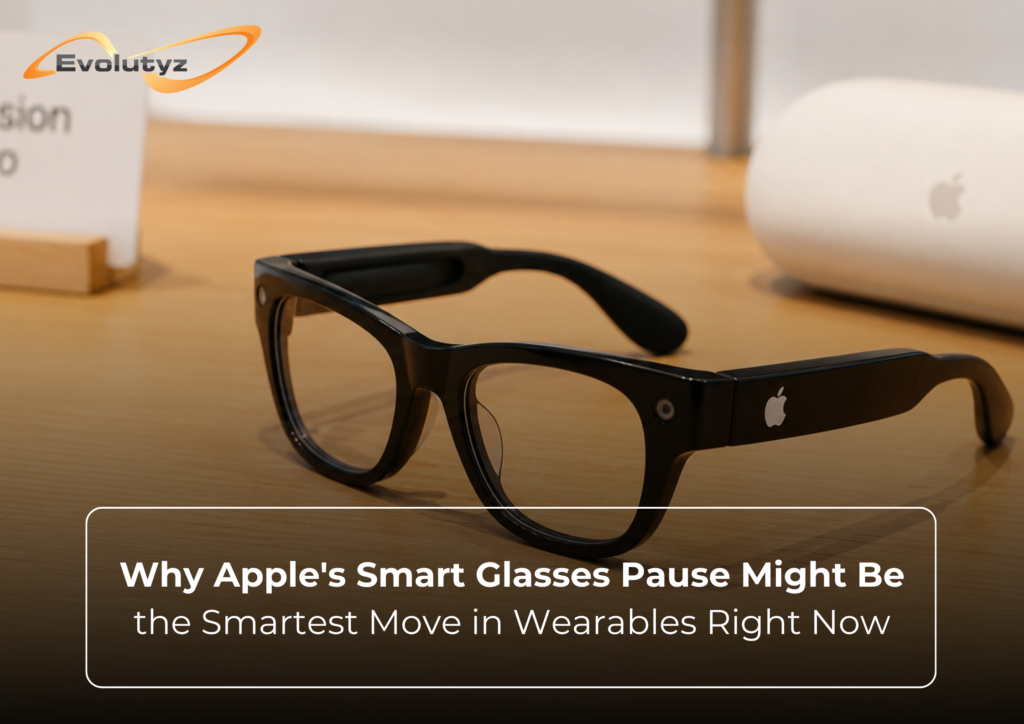
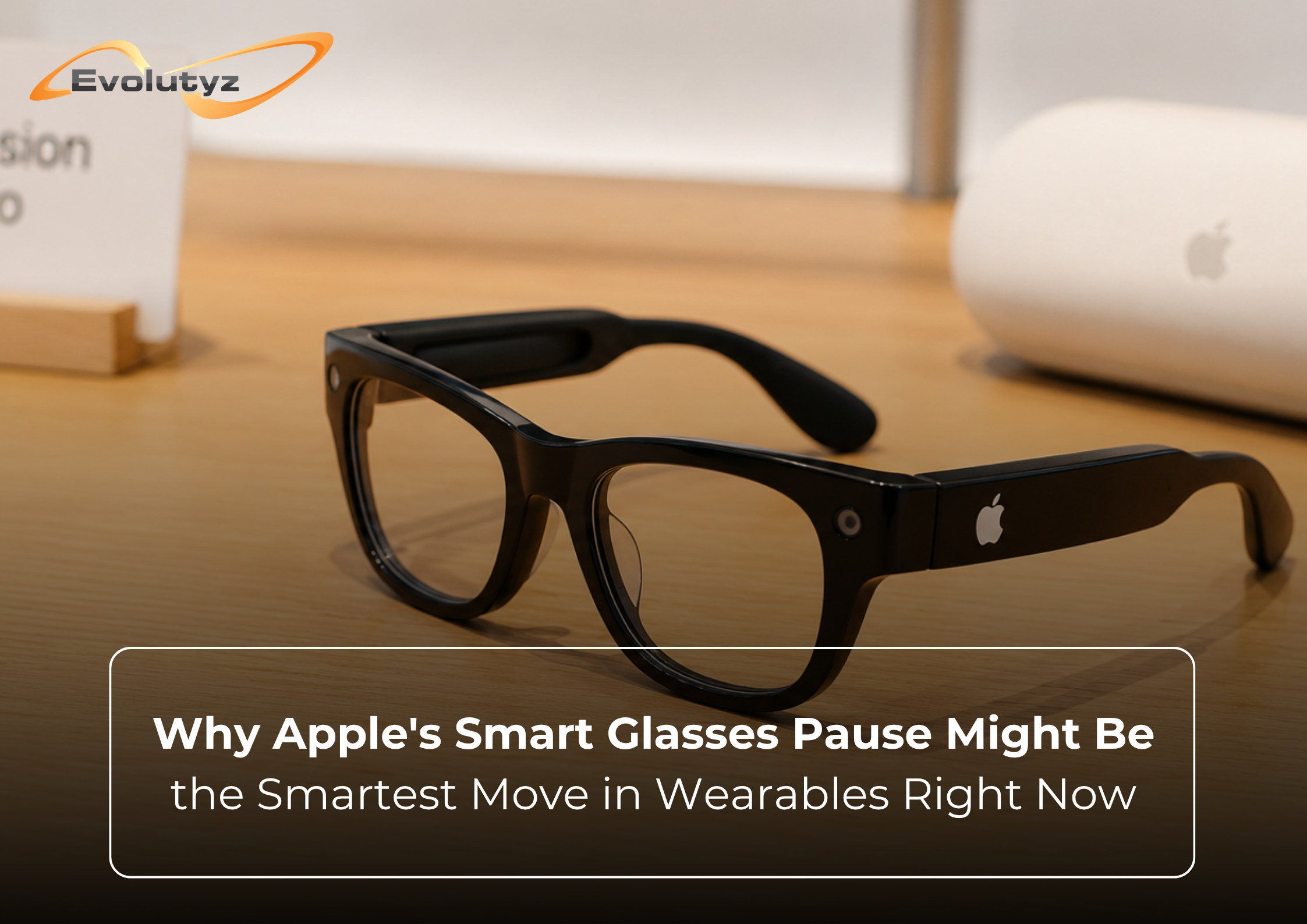
Apple was supposed to announce its smart glasses by the end of 2026. That date is gone. The new target is late 2027, a full year later than planned, and internally the project has reportedly been reshuffled more than once, including engineers pulled off a cheaper Vision Pro to work on it instead.
Everyone is calling this a delay. It is actually a bet.
The Problem Apple is Stalling on isn’t Hardware
Cameras on a face are not a new idea. Meta proved that with Ray-Ban glasses, and proved something else along with it: people will find the recording light and disable it within weeks of buying the product. That single detail turned “smart glasses” into a privacy headline before most people had even tried a pair.
Apple’s delay is reportedly centered on exactly that gap. The company is weighing options like skipping facial recognition entirely, avoiding human review of anything the camera captures, and even considering versions with no camera at all. That is not a company stuck on chip supply or battery life. That is a company trying to avoid becoming the next surveillance story before it ships a single unit.
The Apple Watch Playbook, Again
Apple has run this exact move before. It let Fitbit and other players define the smartwatch category first, entered late, and then took the market anyway because it built the version people trusted enough to wear all day. Reports now draw the same comparison for glasses, aiming at the billions of people who already wear prescription lenses or sunglasses daily, not just early adopters chasing a gadget.
That is a longer game than shipping fast. It is also a more expensive one. Every quarter this slips, Meta and Samsung get another quarter of headstart, retail placement, and developer mindshare.
Why the Wait is the Actual Strategy
Wearable cameras are the one product category where being first can cost you the category. A camera that lives on someone’s face all day is not judged like a phone or a watch. It is judged by everyone standing near the person wearing it, and one bad privacy story spreads faster than any feature launch.
Apple appears to be betting that trust, not speed, decides who wins this market. Whether that bet pays off depends on something no roadmap can guarantee: that by late 2027, people still care enough about privacy for it to matter, and that a year of Meta and Samsung shipping product hasn’t already answered the trust question for them.
The Rest of the Market isn’t Waiting
While Apple stalls, the field is filling in fast. Samsung has already announced Gemini-powered glasses with audio and a single camera. Meta continues to expand the Ray-Ban line and its market share along with it. Every one of these products is training people on what smart glasses are supposed to do and what tradeoffs are supposed to be normal, before Apple has said a single word publicly. By the time Apple actually shows up, it will not be defining the category. It will be walking into one that already has habits, expectations, and a few horror stories attached to it.
What this Means if you’re Not Apple
Most companies don’t get to sit out a category for a year and still win it back on trust alone. Apple can only make this bet because it already has the brand equity to survive being late. For everyone else building AI-powered hardware or software right now, the lesson isn’t “wait it out.” It’s that the privacy question Apple is quietly stress-testing behind closed doors is the same one your users are already asking out loud, and the companies answering it early, honestly, and visibly are the ones building the trust Apple is trying to buy back with time.
The pause is not Apple falling behind. It is Apple deciding what it wants to be caught being right about.