Quick question: what’s your company’s most sensitive data doing right now? If your answer is “sitting safely encrypted,” here’s the uncomfortable follow-up. Safe until when?
It’s not about a future risk. It’s a confession about the past.
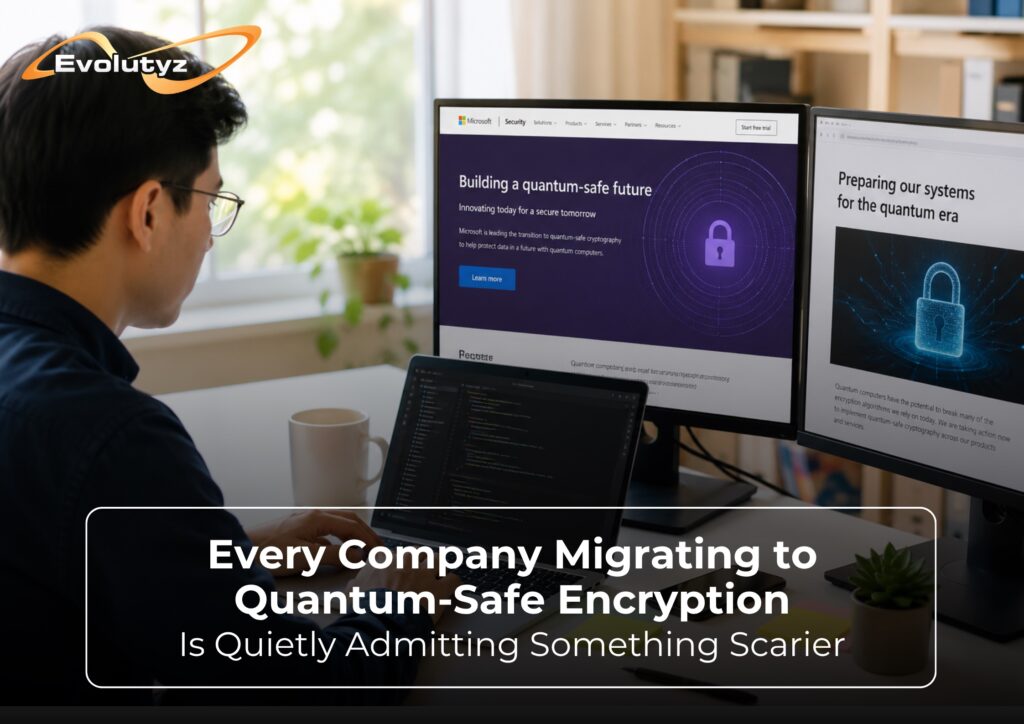
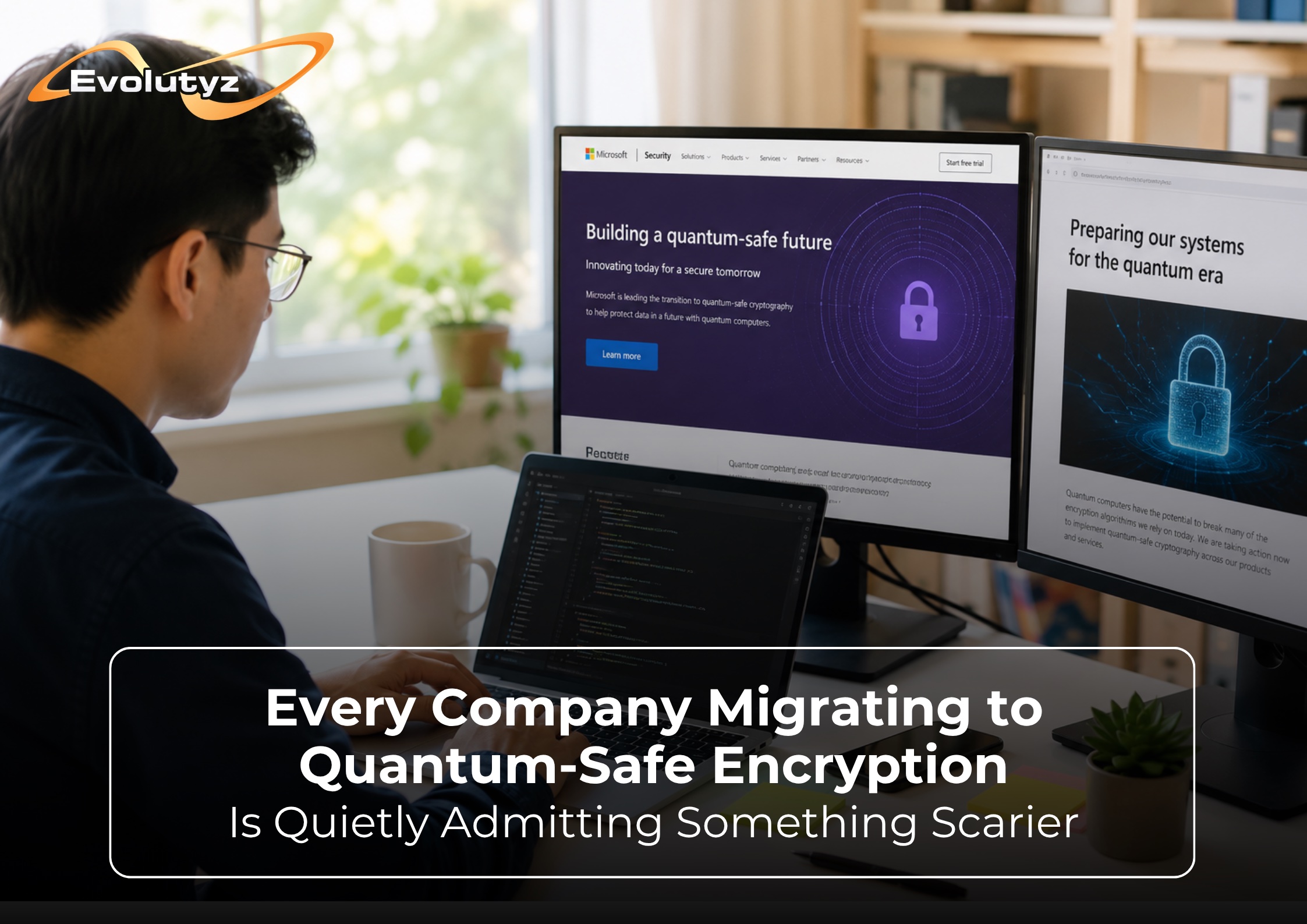
Every time a company rolls out post-quantum encryption, the headline makes it sound forward-looking. Getting ahead of the curve. Future-proofing. But strip away the PR language and the real message is this:
Some of what we encrypted years ago has probably already been stolen. We just can’t unlock it yet. Neither can whoever took it. Yet.
That’s the whole game behind “harvest now, decrypt later.” Hackers and nation-states don’t need a working quantum computer today. They just need patience and a hard drive. Steal the encrypted data now. Store it. Wait for the technology to catch up, then decrypt it whenever that day comes.
So if your data needs to stay private for the next 5-10 years, the clock didn’t start ticking when quantum computers show up. It started the moment you hit send. That’s why banks, hospitals, and defense contractors aren’t casually “exploring” quantum-safe encryption. They’ve quietly run the numbers on their own exposure, and they don’t love what they found.
The deadlines nobody’s talking about enough
This isn’t some far-off 2040 problem:
- NIST finalized its official quantum-safe standards back in August 2024
- A June 2026 executive order fast-tracked the US government’s migration timeline
- Federal contractors now have until 2030 to comply
- The UK has set 2035 as the hard deadline for every system, everywhere
And it’s not just governments panicking quietly in the background. Cloudflare is already rolling out quantum-safe protection across its network this year. Google and Apple have pushed it to billions of phones already, without most people ever noticing. Meta and Microsoft have both published multi-year roadmaps for the switch.
Nobody spends this much money, this fast, on a hypothetical.
Here’s the part that should actually keep you up at night
“Unbreakable” encryption was never actually unbreakable. It was just “not broken yet.” The math holding together decades of the internet, the stuff protecting your bank details, your medical records, your company’s secrets, was always going to have an expiry date. We just didn’t know when.
Now we do. And that’s the real shift happening in 2026. Companies aren’t admitting quantum computers are here. They’re admitting that “secure” was always temporary, and the countdown clock just became visible.
Does this actually affect you?
Most businesses assume they have nothing worth stealing. That’s usually wrong.
Ask yourself:
- Do you have patent filings, source code, or trade secrets that need to stay private for years?
- Do you store customer data that would be damaging if exposed later?
- Do any of your internal documents need to stay confidential past 2030?
If yes to any of these, you’re already a target for harvest-now-decrypt-later. Not someday. Right now.
The fix isn’t panic. It’s a simple audit: what’s encrypted, how, and for how long does it actually need to stay private. That answer tells you whether this is a 2030 problem, or one that’s already overdue. The quantum computer is still hypothetical. Your exposure isn’t.